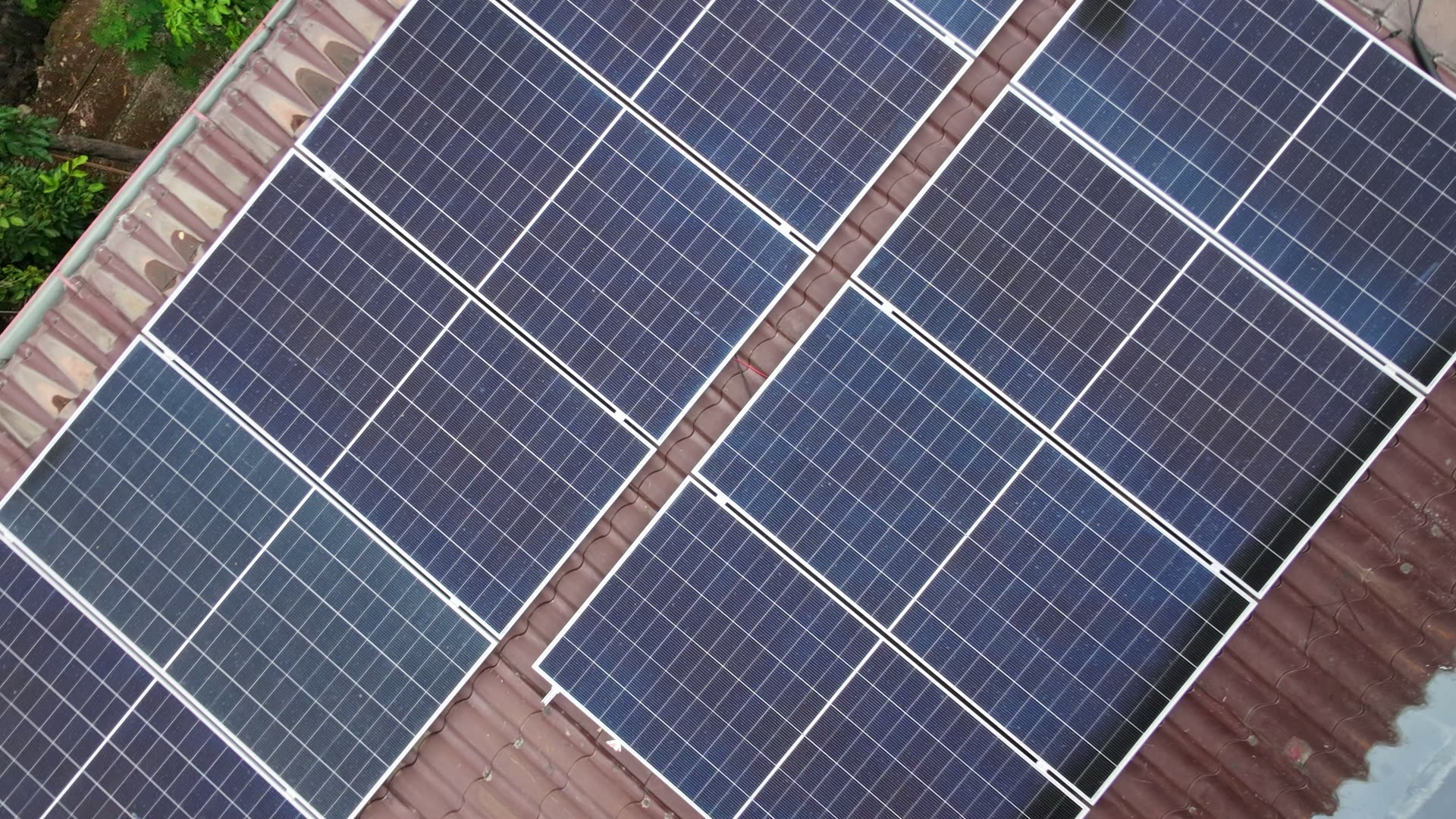
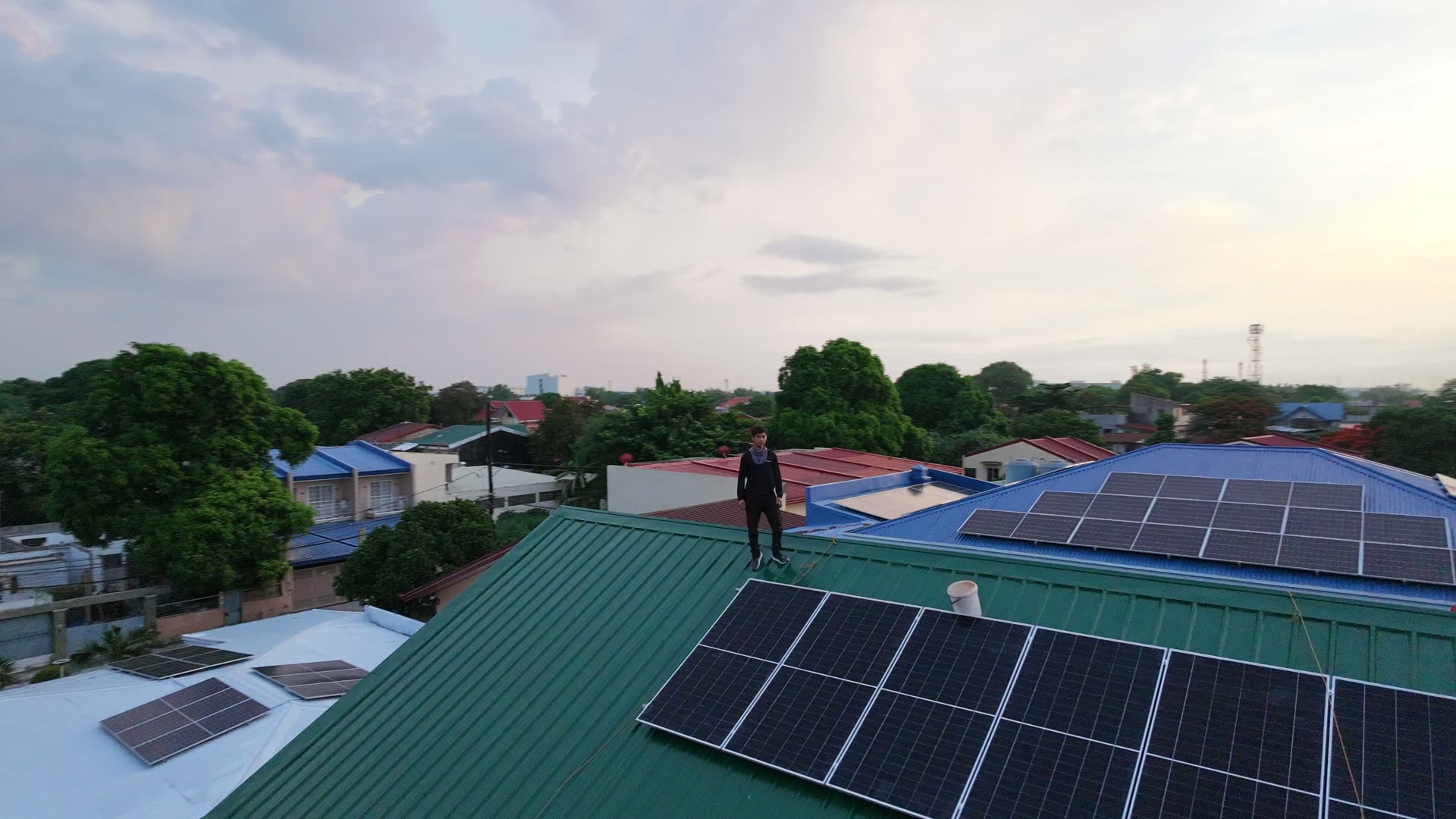
There are three ways to set up solar at home. They differ in one big way: what happens when the grid goes down. In much of the Philippines, where brownouts are part of life, that difference decides the choice.
1. Grid-tie: lowest cost, no backup
A grid-tie system has panels and an inverter, and no battery. During the day, your home uses solar power first and takes the rest from the grid. With net metering approval from your distribution utility, surplus can be exported for credit.
The catch: for safety, a grid-tie inverter shuts down when grid power fails. When there's a brownout, a grid-tie system gives you no power, even at noon. And since there's no battery, solar doesn't help at night.
2. Off-grid: fully independent, but costly
An off-grid system isn't connected to the utility at all. Panels charge a battery bank that powers the home day and night. It's the right answer for remote properties with no grid connection, but for a typical home it needs a large battery bank, careful load planning, and often a generator for long rainy stretches.
3. Hybrid: solar, battery and grid working together
A hybrid system combines all three. Its inverter manages the flow automatically:
- Daytime: solar powers the home and charges the battery.
- Evening: the battery covers your load before you draw from the grid.
- Brownout: the inverter switches to battery and solar, so the circuits on its backup output stay on.
- Long cloudy spells: the grid fills in, so you're never stuck.
| Grid-tie | Hybrid | Off-grid | |
|---|---|---|---|
| Battery | No | Yes | Yes (large) |
| Power during brownouts | No | Yes | Yes |
| Solar used at night | No | Yes, from the battery | Yes |
| Grid connection | Yes | Yes | No |
| Upfront cost | Lowest | Middle | Highest |
Why we install hybrid
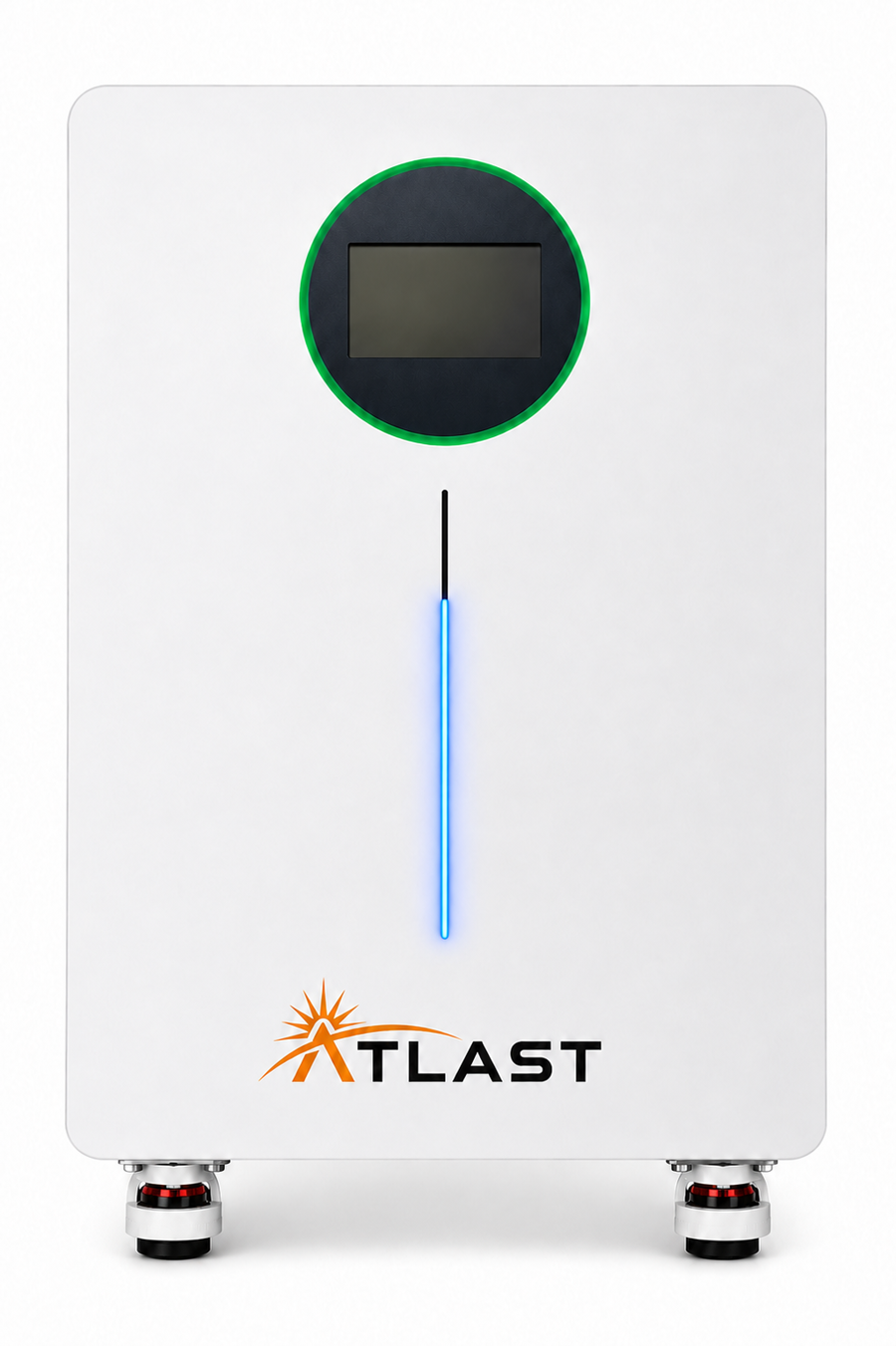
For most homes, hybrid gives the best balance: real savings on your bill, power through brownouts, and the grid as a safety net. That's why every ATLAST package is hybrid and comes with a 16kWh LiFePO4 battery (two in our 16kW package).